
The Future of Influencer Marketing: Emerging Trends and Technologies


The Evolution of Influencer Marketing
The landscape of influencer marketing is continuously evolving. With the advent of new technologies and shifting consumer preferences, brands are rethinking how they engage with influencers. As social media platforms expand and diversify, the ways in which influencers connect with audiences are also transforming.
In recent years, we've seen a significant shift towards authenticity and niche markets. Consumers are demanding genuine connections and content that resonates on a personal level. This has led to the rise of micro and nano influencers who, despite having smaller followings, often boast higher engagement rates and more dedicated audiences.
Integration of AI and Data Analytics
Artificial intelligence and data analytics are playing a pivotal role in shaping the future of influencer marketing. Brands are leveraging AI to identify the right influencers, predict trends, and measure campaign effectiveness. This technology allows for more targeted and efficient marketing strategies, ultimately enhancing ROI.
Data-driven insights enable brands to understand consumer behavior and preferences better. By analyzing metrics such as engagement rates and audience demographics, companies can tailor their campaigns to align with audience interests, ensuring more successful outcomes.
The Rise of Video Content
Video content continues to dominate social media, and influencers are capitalizing on this trend. Platforms like TikTok and Instagram Reels have revolutionized how content is consumed, with short, impactful videos gaining massive traction. Influencers are now focusing on creating engaging, visually appealing content that captures attention quickly.
This shift towards video content offers brands an opportunity to connect with audiences in dynamic and creative ways. By collaborating with influencers who excel in video creation, companies can enhance their storytelling and build stronger brand narratives.

Emergence of Virtual Influencers
Virtual influencers are an innovative trend that is gaining momentum. These computer-generated characters are designed to interact with audiences just like human influencers. Brands are experimenting with virtual influencers to create unique and futuristic marketing campaigns.
The appeal of virtual influencers lies in their ability to be fully controlled and customized, offering brands a novel way to engage with audiences. While still in its early stages, this trend is expected to grow as technology advances and consumer interest piques.
Focus on Sustainability and Social Responsibility
Consumers are increasingly valuing sustainability and social responsibility, prompting influencers and brands to align with these values. Influencers who advocate for environmental and social causes are gaining popularity, as they resonate with audiences who are conscious of their impact on the world.
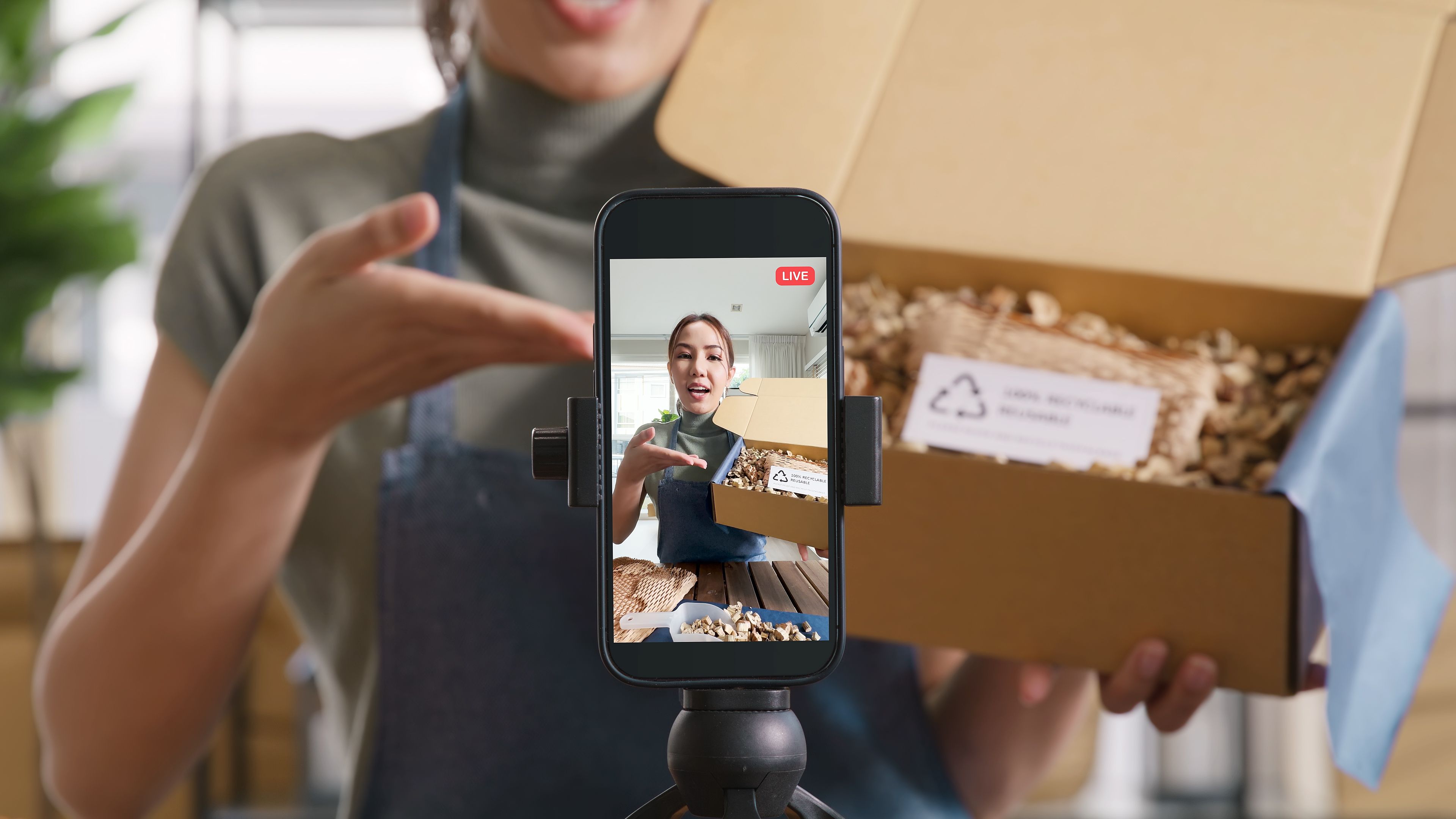
This shift is encouraging brands to collaborate with influencers who prioritize ethical practices, helping to build trust and loyalty among consumers. As awareness of global issues continues to rise, the focus on sustainability in influencer marketing is likely to intensify.
Conclusion
The future of influencer marketing is bright, driven by technological advancements and evolving consumer expectations. By embracing these emerging trends and technologies, brands can create powerful connections with audiences, ensuring their marketing strategies remain relevant and effective in a rapidly changing digital landscape.