Fixed destinations, immortal scenes: travelers are motivated by scenes and functions rather than traditional sightseeing, so content must revolve around interests.
Key Takeaways
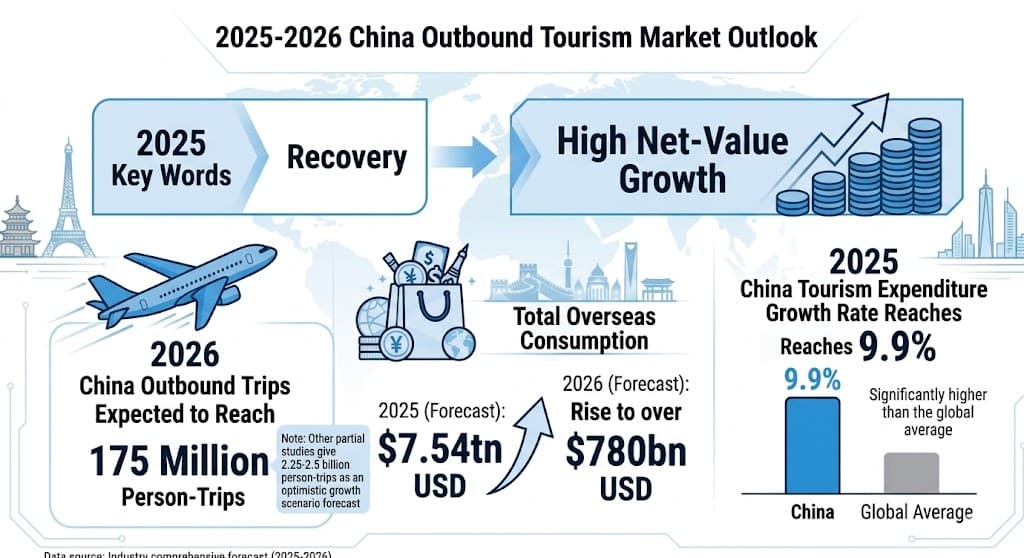
A new cycle of structural expansion: outbound trips are projected to exceed 175 million in 2026, with total overseas spending surpassing USD 280 billion.
Fixed destinations, immortal scenes: travelers are motivated by scenes rather than traditional sightseeing, so content must revolve around interests.
The growth formula for certainty in 2026 is: early interest seeding x long-term private domain operations + infrastructure.
Topics Covered
2026 China Outbound Market Trends and Data
Market Evolution: From Quantity to Quality
Destination Heat and Peak Periods: The Interest Map
Destination Shifts: Geopolitics and Scene-Driven Decision Making
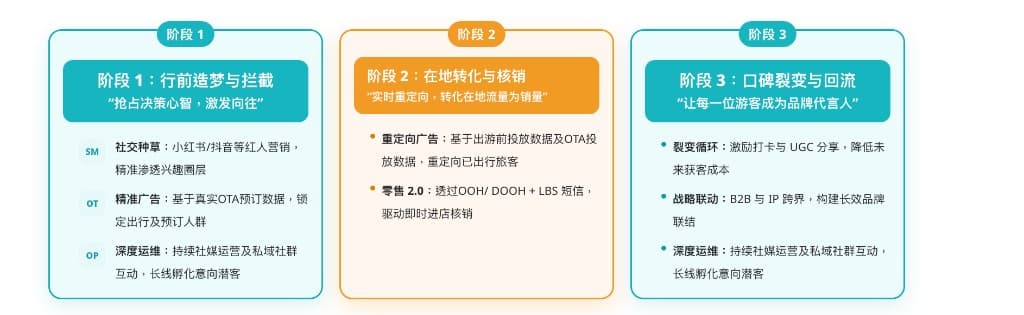
Channel Revolution: The Integrated Marketing Loop
Recovery in volume does not equal automatic order conversion. Brands must intervene early during the seeding phase and align interest-driven content, private-domain operations, and infrastructure to secure deterministic growth in 2026.
01. 2026 China Outbound Market Trends and Data
In 2026, the keyword for China's outbound market is no longer recovery but high-net-worth growth. According to industry forecasts, outbound trips are expected to break 175 million, with total spending rising from USD 254 billion in 2025 to over USD 280 billion. In 2025, Chinese travel spending grew by 9.9%, significantly outpacing the global average.
Note: Some research models suggest a high-growth scenario of 200-250 million trips.
INFINIS Insight: Brands must intervene during the seeding phase when travelers first begin exploration. Providing long-term, high-value content throughout the extended decision-making cycle is the only way to secure a lead at the final booking stage.
02. Market Evolution: From Quantity to Quality
The consumption structure of Chinese travelers is undergoing a profound reorganization:
1. Safety and trust as entry barriers: destination safety, visa convenience, and direct flight frequency have replaced social media hype as the top priorities for high-net-worth travelers.
2. Resilience of airport retail: despite the expansion of digital touchpoints, the last mile at the airport remains high-value for high-ticket transactions.
3. Functionalized groups and scalable customization: large tour groups are not disappearing; they are becoming functional and evolving into semi-independent formats for concerts, medical wellness, study tours, and skiing.
4. Strategic value of in-destination conversion: airports, border crossings, and duty-free shops remain core offline hubs, and in-destination conversion is a critical strategy for premium brands.
03. Destination Heat and Peak Periods: The Interest Map
Data for the 2026 May Day holiday bookings indicates that outbound destination selection has shifted from a "geographical preference" to a "scene-based preference" (experience-oriented).
Scale: Bookings for outbound-related products have increased by 50% YoY, while search heat for travel products has surged 364% month-on-month.
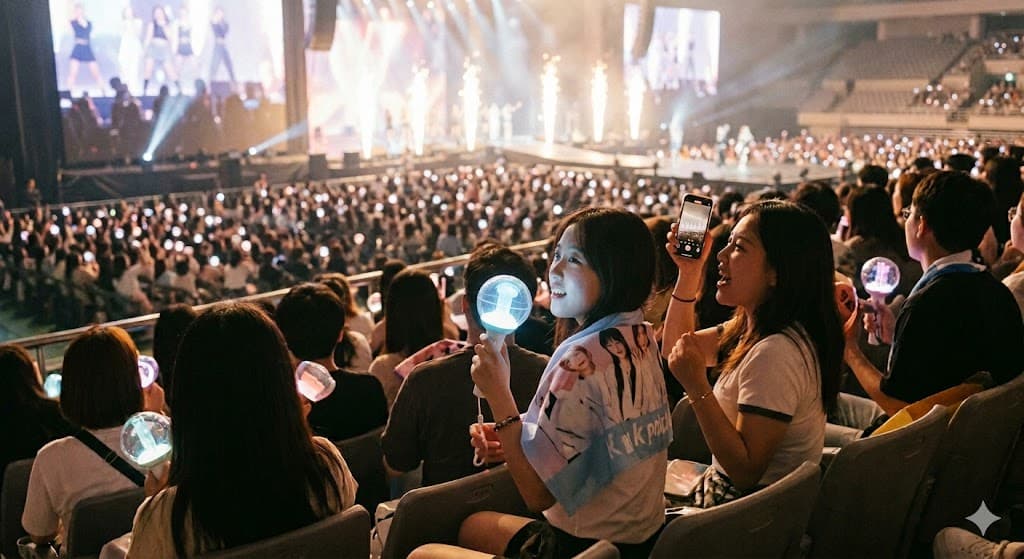
Characteristics: South Korea dominates the short-haul market, while long-haul interest in Europe is heating up. There is a clear trend of simultaneous growth in both short and long-distance travel. "Interest-driven" factors, such as the K-POP craze and spring festivals, have become core decision-making drivers. Vietnam has emerged as a "dark horse" in Southeast Asia, with its popularity tripling compared to the same period last year.
Demographic Insights: Industry observations show a significant spike in demand from the post-05s (Gen Alpha), with booking volume growing by 130% YoY, leading all age groups in growth rate. The post-90s and 95s remain the primary travel force, with the post-90s segment ranking first in per capita booking volume.
Booking Windows: According to industry research and platform data, Chinese New Year, May Day, and the National Day (Golden Week) remain the three core traffic peaks of the year. Outbound demand for the May Day holiday typically enters a concentrated booking phase 4–8 weeks in advance. Meanwhile, summer products for long-haul destinations often begin to heat up as early as March to May, reflecting a much longer decision-making cycle.
South Korea: The "Big Winner" in Short-Haul Travel
Driven by policy and promotional influences, South Korea has become the top choice for Chinese short-haul travelers.
Short-haul travel remains the foundation of the outbound market. For the 2026 May Day holiday, South Korea, Vietnam, and Thailand maintained high levels of popularity:
- South Korea: Propelled by K-POP festivals, favorable exchange rates, and short flight times, it continues to be the preferred destination.
- Vietnam: Seeing significant growth in popularity due to increased flight frequency and high value-for-money (VFM) advantages.
- Thailand: Remains a high-volume destination, continuing to cater to family vacations and "light leisure" demands.
Rank
Short-Haul Destination
Data Source / Observation
Core Driver
1
South Korea
Airbnb: top searched country; Seoul searches up 6x.
K-POP festivals, favorable FX, short flight distance.
2
Vietnam
Search heat up 4x for Hanoi and Da Nang.
Increased flight capacity, high ROI, luxury resort expansion.
3
Thailand
Airbnb: remains in top May Day destination searches.
Stable visa-free policy, family and leisure demand.
—
Japan
Dropped out of top 3 due to flight cuts and policy alerts.
Nature tourism, FX advantage, short-haul familiarity.
Due to reduced flight capacity and policy advisories, Japan has temporarily fallen out of the top three and is now in a catch-up position. Overall, outbound destination momentum is shifting from "geographic preference" to "scene preference."
Long-haul travel is showing a more pronounced interest-driven pattern.
Italy, New Zealand, France, and Australia are all seeing clear momentum, driven by art and culture, natural landscapes, urban experiences, and long-haul consumption upgrades respectively—making them key growth destinations for May Day outbound travel in 2026.
Rank
Long-Haul Destination
Data Source / Observation
Core Driver
1
Italy
Top European destination; Milan and Rome searches doubled.
Milan Winter Olympics momentum, art and culture depth.
Eco-tourism, premium experiences, visa convenience.
INGINIS Insights: Brands should adopt a three-phase cadence of "pre-holiday seeding, in-holiday conversion, and post-holiday continuation": prioritize short-haul and high-frequency destinations before May Day; focus on long-haul plus family and study-tour products during Dragon Boat Festival and summer; and before National Day, concentrate on mid-to-high ticket, deeply customized, and scene-based travel offerings.
04. Destination Shifts: Geopolitics and Scene-Driven Decision Making
In 2026, travelers no longer fly to a place; they fly to a scene. The destination has transformed from a decision center into a scene container.
Scenes over sights: specific experiences such as skiing, concerts, and aurora chasing are replacing traditional sightseeing.
The rise of reverse travel: Gen Z increasingly explores hidden gems, which relies on organic content seeding and social amplification rather than traditional destination advertising.
05. Channel Revolution: The Integrated Marketing Loop
Marketing in 2026 cannot rely on a single platform. Brands must build a relay path:
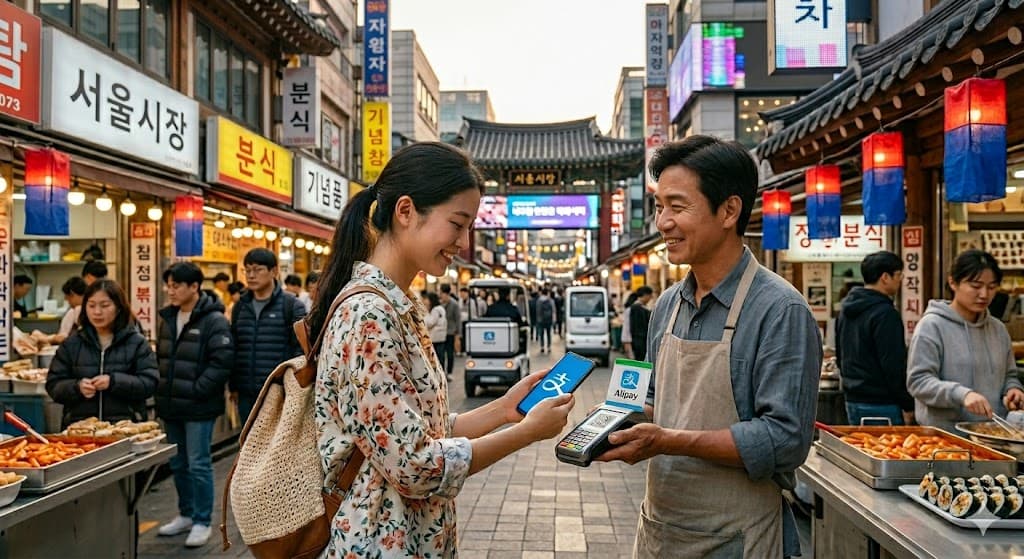
Payment convenience and security are the bottom code of 2026 travel. Mobile remains the primary entry point for cross-border transactions.
Conclusion
China's outbound travel in 2026 is not just a recovery of volume - it is a reconstruction of value. Brands that win are those that intervene throughout the traveler's long decision-making chain and establish a sustainable growth loop.
In a fragmented media ecosystem, finding the right scene entry and securing the infrastructure bridge is the key to global success.